How Tottenham's Summer Spending Has Changed Expectations
Two months ago, many Spurs fans feared relegation. Simply talking about the possibility of competing at the top end of the league this season would have felt extremely optimistic. Now, after a summer rebuild that hasn't stopped yet, could the cockerel be rising from the bottom again?
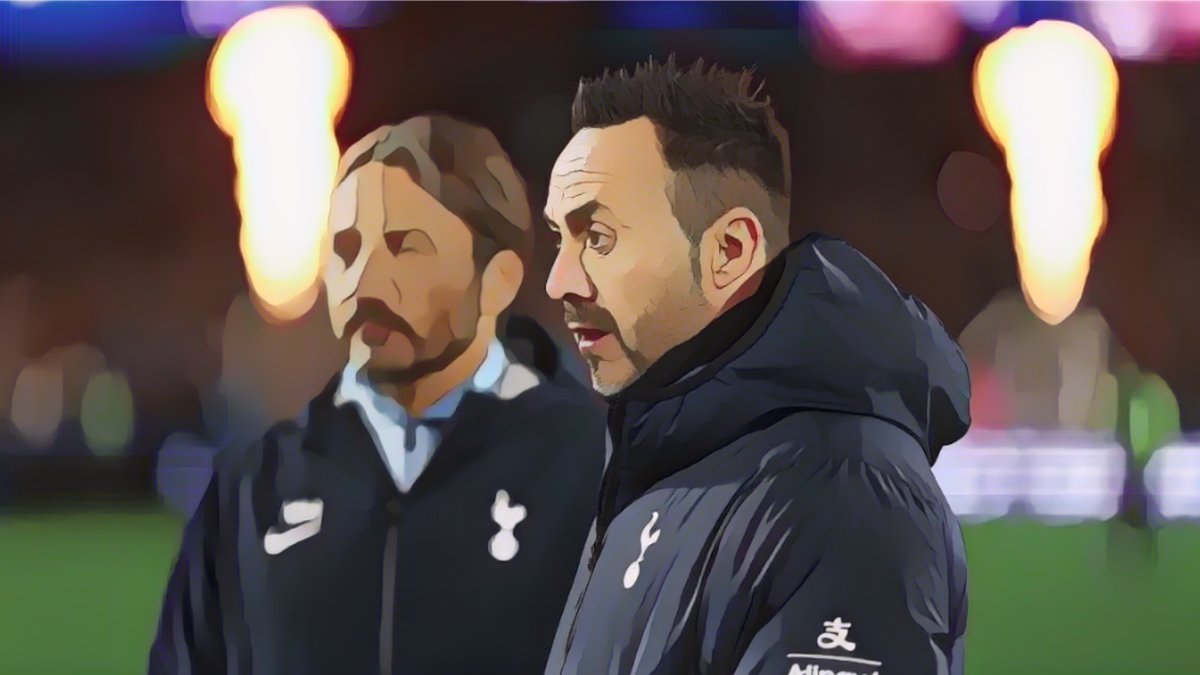
After surviving relegation on the final day of last season, Roberto De Zerbi made it very clear that big changes were required, stating:
"We have 10, 11, 12 players that are good enough."
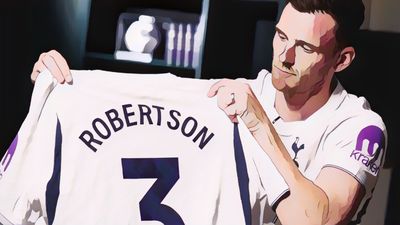
Hearing this, the ENIC ownership, alongside Vinai Venkatesham, moved earlier than usual compared to previous windows under former chairman Daniel Levy, leaving many Spurs fans both optimistic and stunned by the club's transfer activity. Spurs completed the free transfers of January target Andy Robertson and Argentine international Marcos Senesi. They also splashed the cash on Jan Paul van Hecke from Brighton for £52 million.
Big Money on Big Players
One of Spurs' biggest issues over the years under Daniel Levy was failing to get the biggest deals over the line by refusing to pay the extra money required, instead settling for second, third and sometimes even fourth-choice targets at a lower cost. This summer, however, there has been a significant change in approach.
Spurs have broken their transfer record not once but twice, first beating Manchester United to the signing of Mateus Fernandes for a then club-record £85 million. Their spending didn't stop there, as less than a week later they shattered that record again by signing Sandro Tonali for £100 million. Both players were Roberto De Zerbi's priority targets.
Selling at the Right Time
Spurs' improved ability to sell players has also been viewed as a major positive. Academy graduates and younger players deemed surplus to requirements have generated significant funds to reinvest in the squad. The standout deals have been Will Lankshear's move to Middlesbrough for a fee that could reach £20 million and Luka Vušković's sale for £45 million.
Meanwhile, with the likes of Cristian Romero, Guglielmo Vicario and Lucas Bergvall all reportedly seeking moves away from the club, it remains to be seen how much more Spurs can raise to fund further signings.
Goals Are Needed to Take Tottenham Up the Table
The one area of the pitch that has remained a problem since Harry Kane's departure has been goals, along with creativity. Spurs have been linked with a number of strikers and wingers throughout the summer to address their biggest weakness. It remains to be seen who will arrive. Savinho is reportedly close to joining, although a deal has yet to be completed, while recently identified target Eli Junior Kroupi has been ruled out for three months with a broken metatarsal.
If Tottenham Were to Fix Their Frontline Weaknesses, What Should Their Targets for the Season Be?
With just one game a week and no European football, Roberto De Zerbi is under pressure, in my opinion, to deliver a successful season. There is no doubt that European qualification has to be the minimum expectation, given the money already spent and the possibility of further additions before the transfer window closes.
Without the distraction of European competition, Spurs also have a genuine opportunity to make a serious challenge in the domestic cups. It will soon be 19 years since Tottenham last won the League Cup and 36 years since they last lifted the FA Cup. A return to Wembley would go a long way towards satisfying supporters, who have not seen Spurs play under the arch since the 2020/21 League Cup final defeat to Manchester City.
With the squad depth Spurs now possess, the board and Roberto De Zerbi will probably view anything below a top-six finish as a failure. However, if Spurs were to end their long wait for silverware, just missing out on Europe through the league would still likely be viewed as progress during De Zerbi's first full season in charge of Tottenham.